
‘An understanding of the natural world is a source of not only great curiosity, but great fulfillment.’ – Sir David Attenborough
Your news feeds, screens and social media are about to be buzzing like bees high on nectar, as they fill with news of the celebrations surrounding Sir David Attenborough’s forthcoming birthday. Yes, Mr Nature himself is about to reach the milestone 100 and be deluged with telegrams, cards, soft toys and birthday wishes from the great and the good as well as much of the general public.
No one has done more to alert the world to the wonder and beauty of the natural world while urging us to not only enjoy it via the magic of television if not in person (we can’t all just nip off to the Artic, Antarctic or anywhere in between), but to wake up to the changing environment, urban creep/invasion into ever-shrinking habitats and the responsibility and urgency of stewarding the extraordinary variety of life around us upon whose ecosystems we all depend.
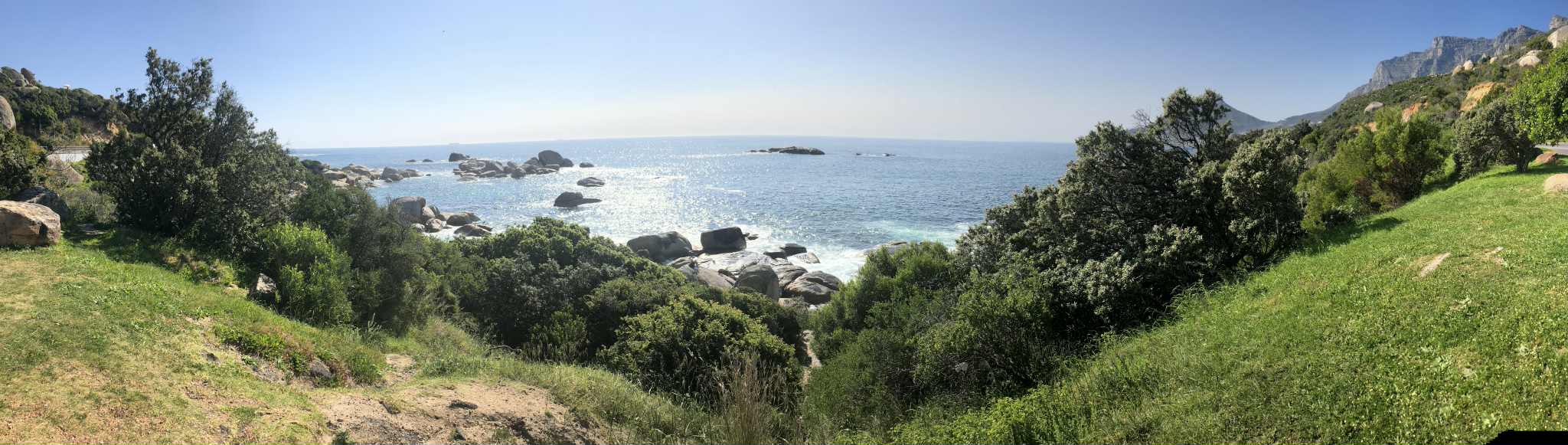
His first foray into TV came in December 1954, ten years before I was even born, when Zoo Quest was broadcast in black and white glory to homes across the UK who were fortunate enough to own such a device. It had been filmed in colour but that version was only restored and aired in 2016.
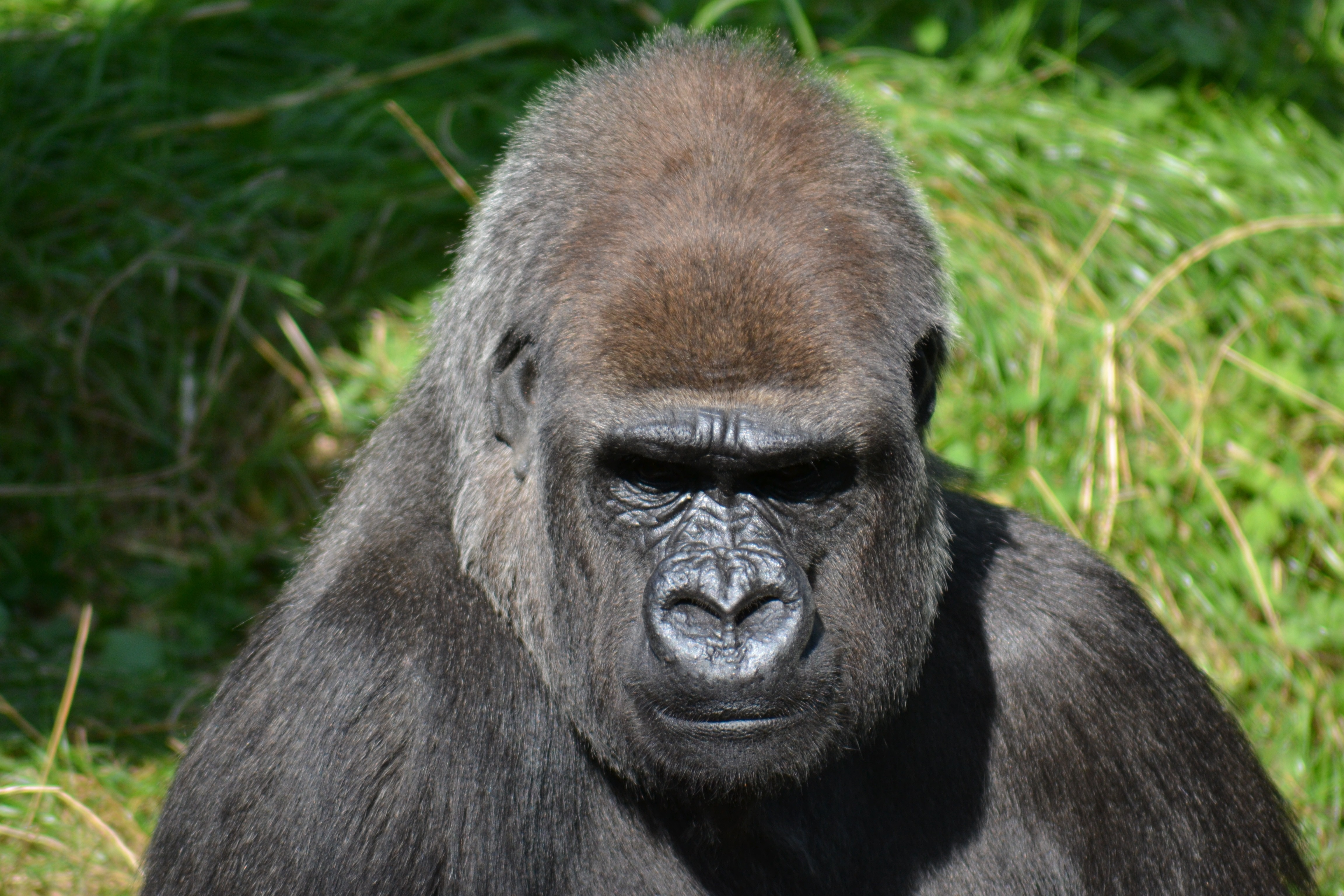
It was his thirteen-part series Life on Earth that really broke new ground in its scope and reach and established Attenborough as our foremost natural historian. Filmed across 40 countries, it tackled a 3.5 million year timeline with camera techniques that raised the bar for documentaries in the genre for evermore. No one who watched
it can forget the jaw-dropping moment when he sat amongst gorillas and seemed to be accepted as part of the Rwandan jungle life. It’s been replayed multiple times and, this week, you’re bound to come across it again.
There will be reams of material coming your way recounting his life from birth in Isleworth, Middlesex, his grammar school education and scholarship to Cambridge and his subsequent two years in the Royal Navy. With twenty-four BBC series and a Netflix special, David Attenborough has presented from 83 different countries. Statistics, I imagine will feature strongly in the column inches submitted and published this week.
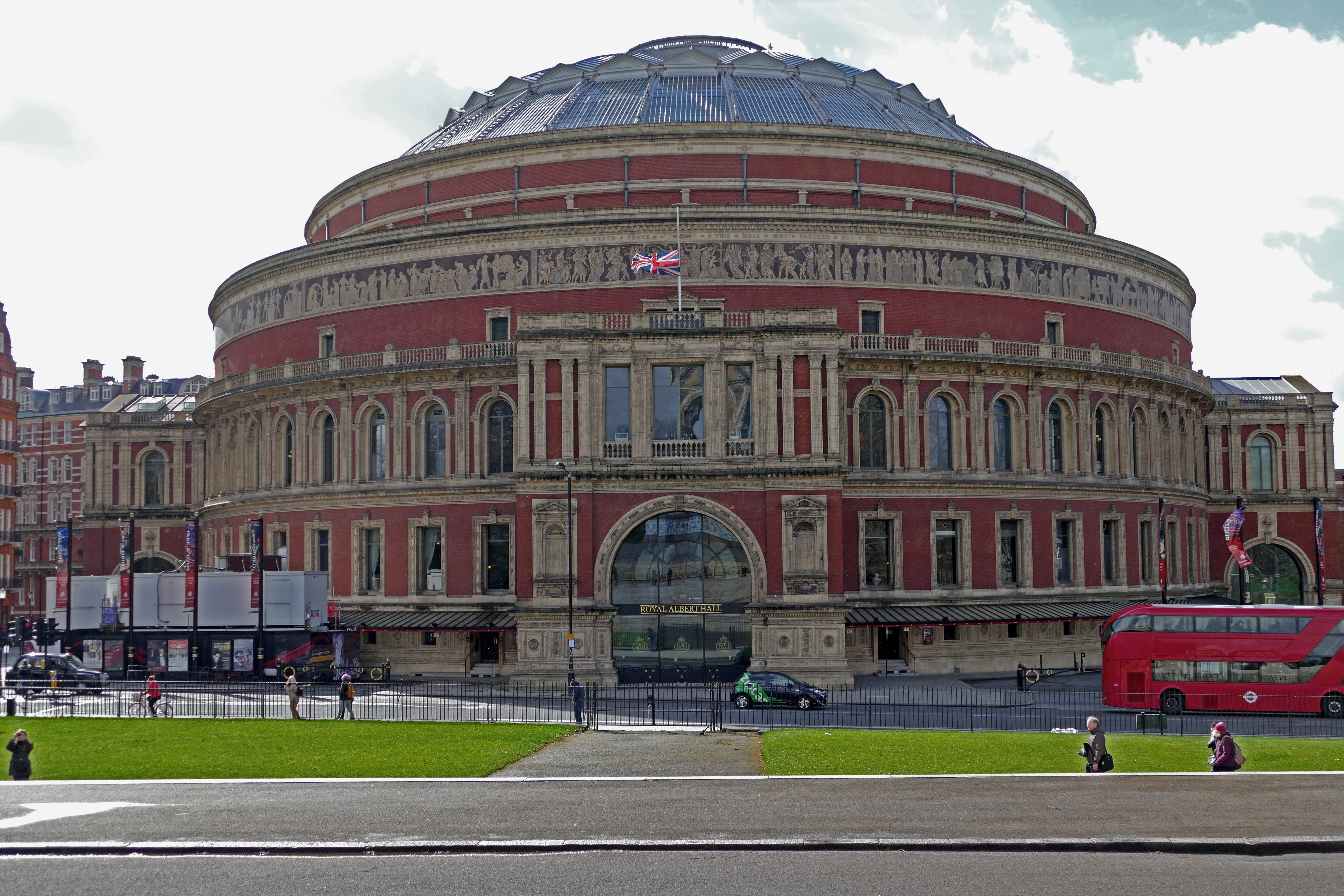
Celebrations include a BBC concert from the Royal Albert Hall featuring music used in the wildlife series, tributes and reviews of his extraordinary career. The event will be hosted by Kirsty Young and broadcast on BBC 1 at 8.30pm this Friday.
All those years ago, when I watched Life on Earth, I never anticipated seeing some of those amazing animals for myself, not just in a zoo, but thousands of miles away in Africa.
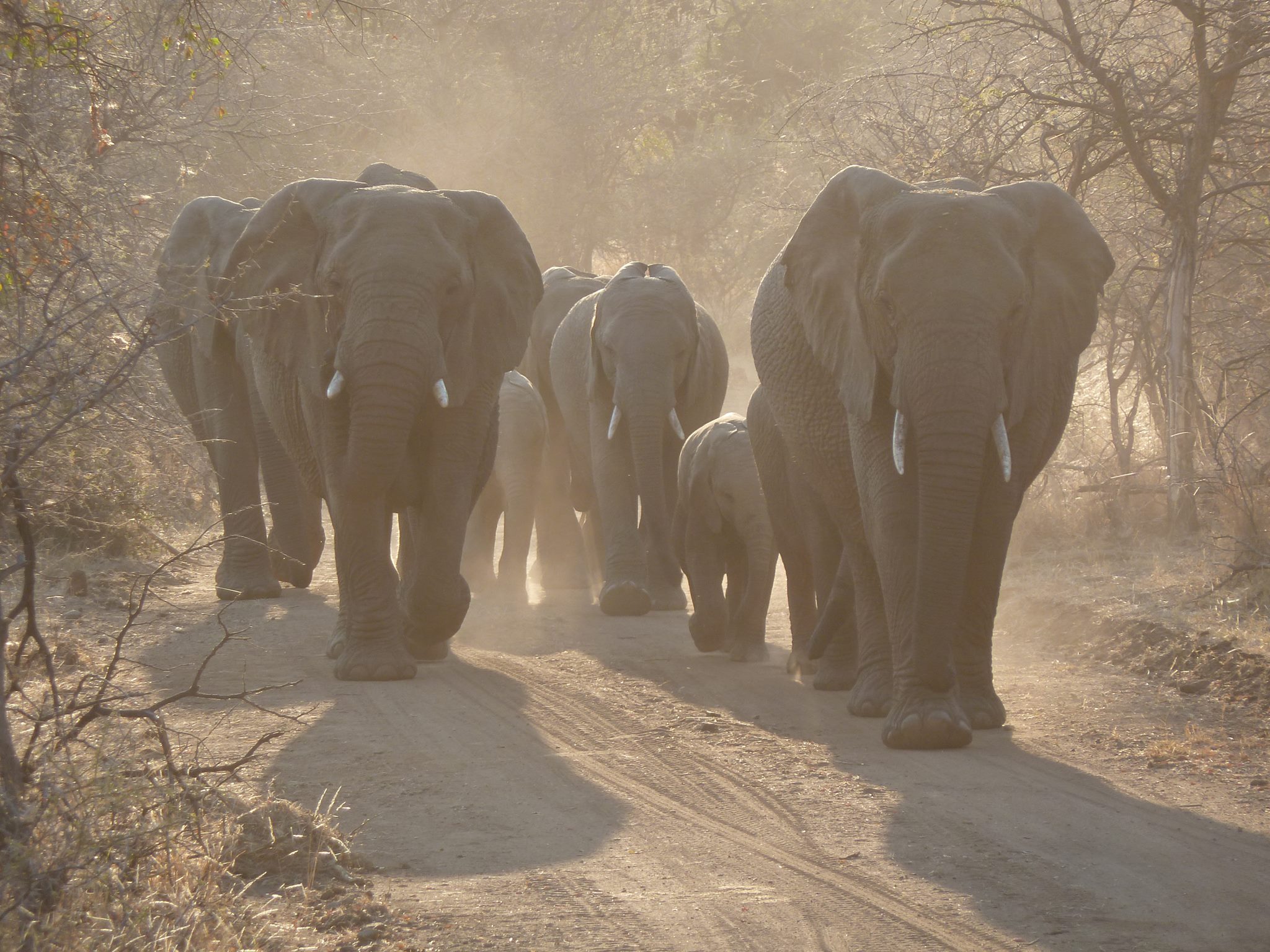
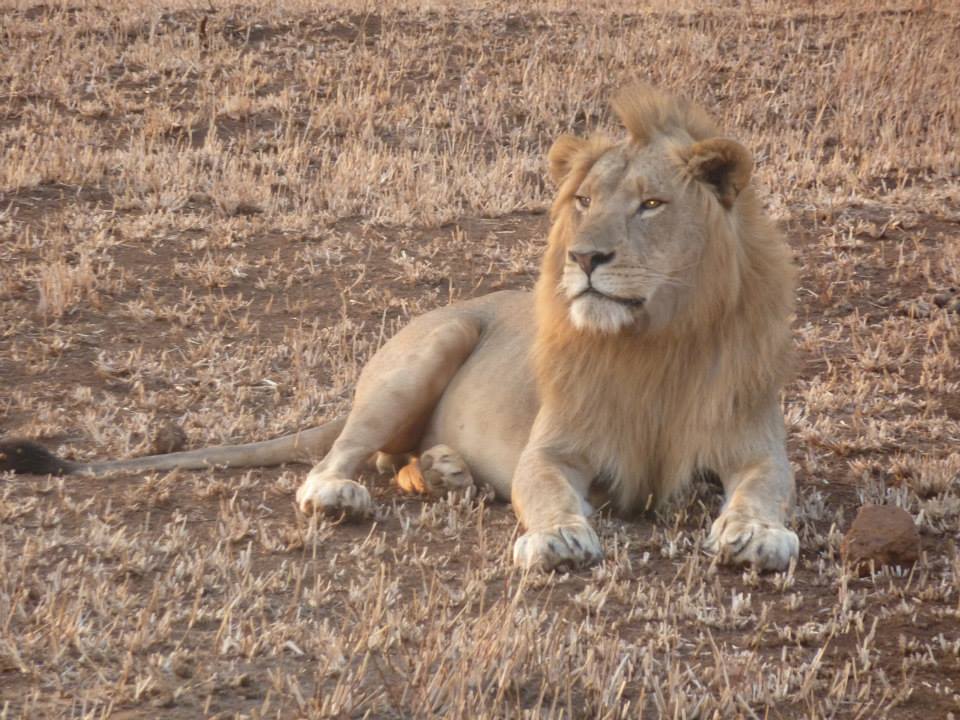
I’m so fortunate to have watched elephants playing in rivers, giraffes running with their distinctive lolloping gait; grazing rhinos; stalking lions; opportunistic hyenas; persistent wild dogs; solitary leopards melting into the bush and crocodiles patrolling the shore.
Nearer to home, I saw my first Surrey badger last week, It was 3.30am and I heard noises around next door’s bins. I’ve imagined this before but their motion-triggered light suggested that this time I might not be hallucinating. Investigation revealed the illuminated garage area and the bumbling of a badger as he abandoned that quest and shuffled off down our garden. His presence may well explain the recent lack of fox sightings. No photographic evidence is available as I was rather bleary at the time, but it reminded me of Mr Attenborough’s programmes focusing on the wildlife outside our doors. Literally, in this case.
The legacy Sir David leaves us all is surely one of fresh insight into our beautiful planet and a desire to preserve, conserve and nurture the miracles of life that call it home. ‘We are at a unique stage in our history,’ he’s said. ‘Never before have we had such an awareness of what we are doing to the planet, and never before have we had the power to do something about that.’ Doubtless, on his birthday he will sound the clarion call again and appeal to the better side of human nature to take seriously the responsibilities of being custodians of this beauty and our ability to solve problems.
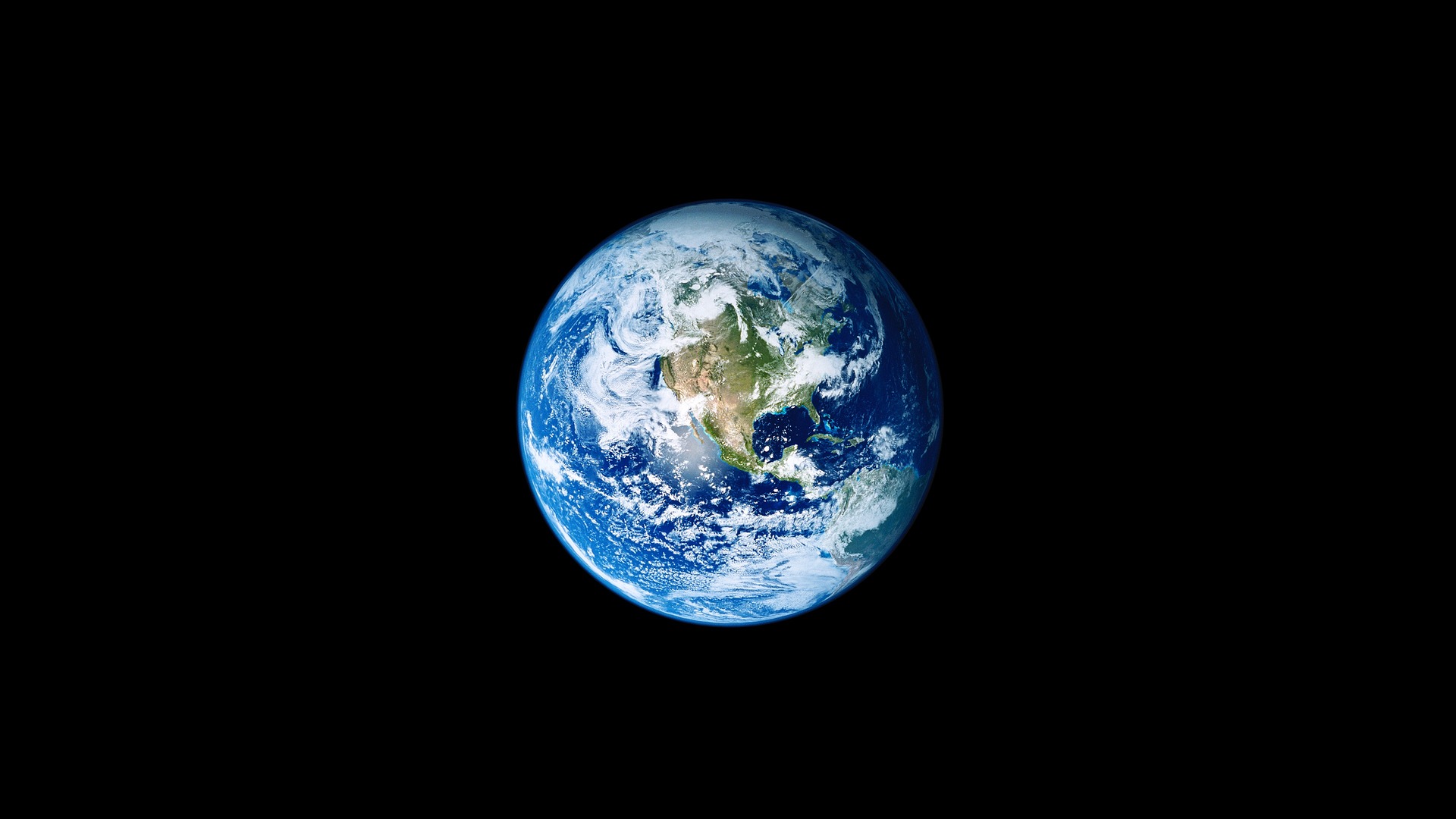
NASA astronaut and pilot of Artemis II, Victor Glover, recently gave us another perspective of our little blue, green planet, spinning in a vast solar system beyond our comprehension: ‘In all of this emptiness — this is a whole bunch of nothing, this thing we call the universe — you have this oasis, this beautiful place that we get to exist together… thinking about all the cultures all around the world… whether you believe in God or not, this is an opportunity for us to remember where we are, who we are, and that we are the same thing, and that we’ve gotta get through this together.’
Tiny as we are in relation to such an expanse of space, we are created as unique individuals. Connecting with our Creator through His creation gives us direction and purpose. As our national icon celebrates his centenary, I m grateful for his part in showing me more of this than I would ever have otherwise known.
[Images: Pixabay & my own]
 dancingthroughchaos
Thanks Jen‘Just
LikeLike