
“How important it is for us to recognize and celebrate our heroes and she-roes!” Maya Angelou (American poet and civil rights activist)
Who were your heroes growing up? For some people it’s a sporting personality, a film star or even a member of the family.
I remember being dazzled by the ‘big girls’ at my sisters’ schools. They seemed so capable and confident; so grown-up, so ‘other’ as I grappled with a combination of shyness and awkwardness around other people; desperate to ‘get it right’ but paralysed by the humiliation I might suffer should I ‘get it wrong’, whatever ‘it’ was.
So now I’ve come across this word ‘she-roes’, and I love it.
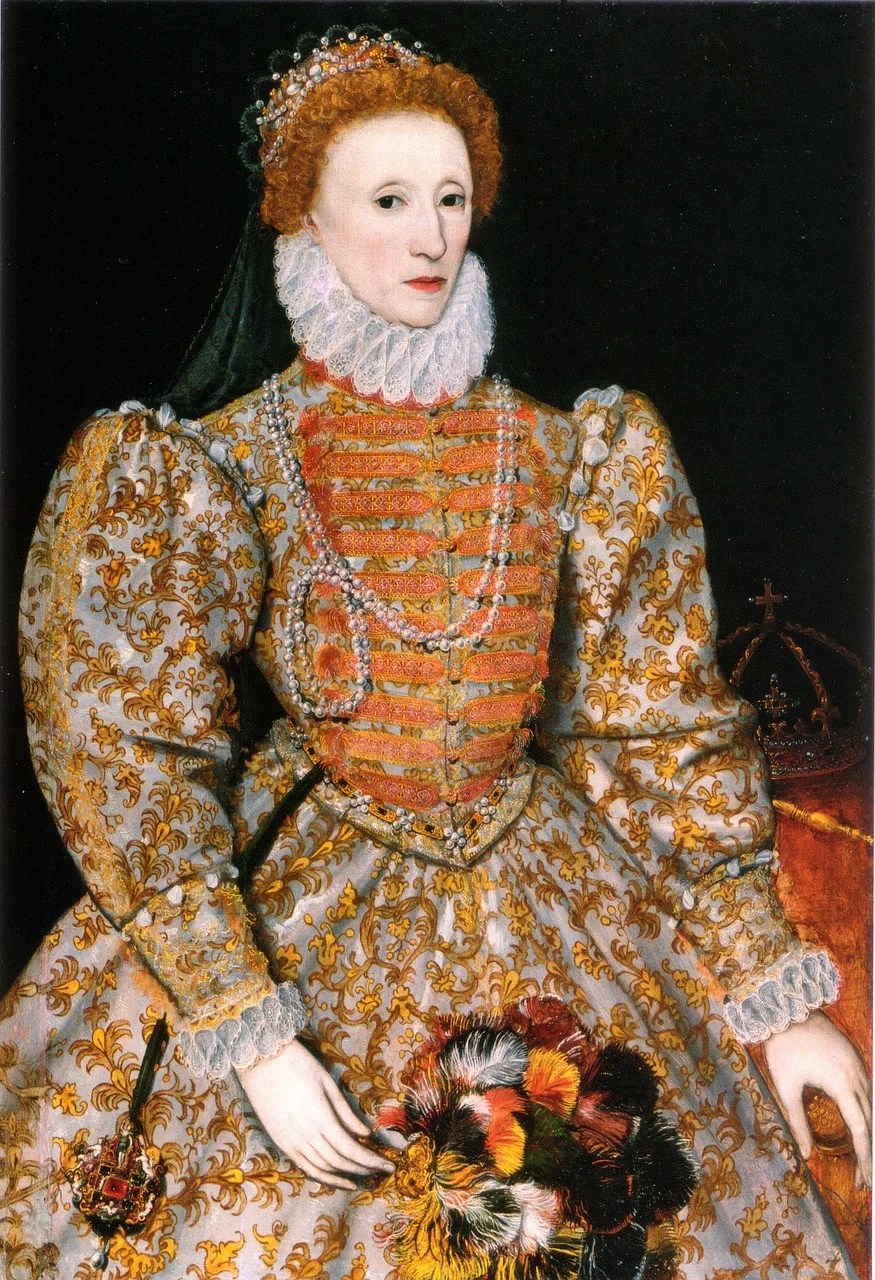
My first real hero/she-roe was probably Queen Elizabeth I. I had read a Ladybird book about her and while I was impressed by the illustrations of her sumptuous dresses, I remember wondering how, in a court of intrigue, treason and treachery, she managed to (literally) keep her head, particularly as a girl and in those turbulent years after her father died.
I especially loved the quote from her speech, supposedly given to rouse the troops against the Spanish at Tilbury docks in August 1588: ‘I know I have the body of a weak and feeble woman; but I have the heart and stomach of a king, and of a king of England too!’
I wasn’t sure about the ‘weak and feeble woman’ bit but I applauded her ability to command a room and not be bullied by all those male courtiers and advisers. I’m sure my childhood understanding was fairly simplistic, but nevertheless I could see she was a woman to be reckoned with and I fancied following in those footsteps, whatever that might look like in the early 1970s.
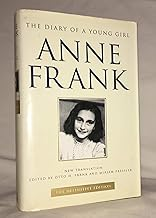
At the age of ten my ‘she-roe’ shifted to Anne Frank. I read her diary with horrified fascination, not understanding some of it, but well aware that it all ended for her in a Nazi concentration camp.
I admired her courage, her eloquence, her determination to live as fully as she could while hiding in a secret annexe behind her father’s business in Amsterdam. Imprisoned for two cramped years with seven others, including her parents and sister, and helped by a couple of her father’s friends before they were discovered, they had to be quiet during the days and remember not to flush the toilet and give themselves away.
Anne kept her diary but also wrote stories. I had ambitions to do the same, though not in such circumstances. I imagine that by escaping into her writing she not only passed the time but used it as a means to process her thoughts and feelings in one of the darkest and most shameful periods of European history.
Her father, Otto, was the only one to survive the concentration camp at Bergen-Belsen. Anne died of typhoid there at age 15. It was her father who pushed to have her diary published as a book, now translated into more than 70 languages. The site of the family’s hiding place is now a museum that welcomes more than a million visitors each year.

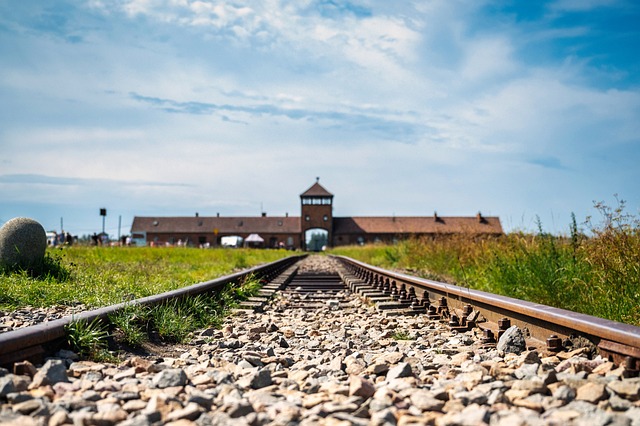
My admiration for these two women has persisted throughout my life. More recently I came across the story of Edith Eger who somehow survived Auschwitz. Her story of recovery and the freedom she found in forgiveness and choosing to embrace life is told in her brilliant books: The Gift and The Choice (put them on your Christmas list at once). Her grit and grace left me humbled and grateful.
And now I have a new She-roe: Madam Gisèle Pelicot. This is the extraordinary 72 year-old French woman who discovered that her husband had been not only drugging and raping her, but invited more than fifty other men aged between 29 and 74 to come and do the same, over a period of nine years. I cannot wrap my head around the twisted, perverted mentality of someone who promises to love, protect and cherish their spouse, ‘for better, for worse’ who could even begin to come up with such a grotesquely abusive scenario.
Gisèle waived her right to anonymity in order to bring her ordeal into the light and ensure a measure of justice against her abusers. A sordid collection of videos and photos were shown at the recent public trial as she refused to let shame settle on herself. ‘When you’re raped there is shame, and it’s not for us to have shame, it’s for them,’ she said, challenging pervasive culture.
Despite accusations by lawyers that perhaps she was awake throughout, or that these couplings were consensual, she has stood firm, raised her head and her voice and finds herself on the cover of Vogue magazine applauded by every woman who has ever heard of her. Turning culture on its head, she claimed loudly and clearly that, ‘I hear lots of women, and men, who say you’re very brave. I say it’s not bravery, it’s will and determination to change society.’
Not only that, but Gisèle refuses to change her name even though it would rid her of the stigma of the crimes committed against her. She says she wants her grandchildren ‘to remember their granny, and that there will be no more shame in having this name’.
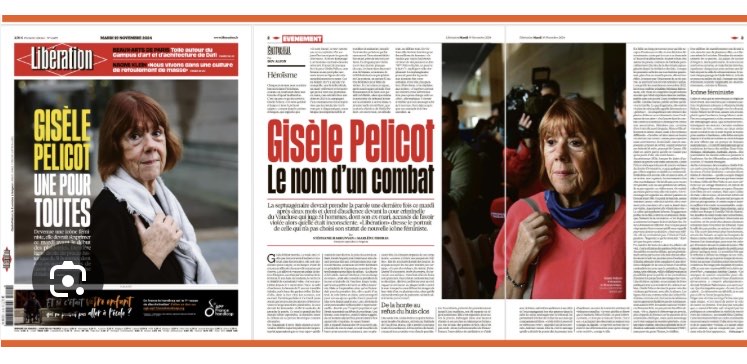
I’ve heard her called ‘a feminist hero’ but feminists don’t have the monopoly on justice, compassion or a desire to see change in the systems that fail to protect us.
Madame Pelicot will be lauded and remembered not just by her family or the feminist movement, but by everyone who holds out for integrity. Next month the court will sentence her husband and regardless of the outcome I think I can safely predict that she will be a she-hero for many people in the years ahead.
 dancingthroughchaos
Thanks Jen I remember the ladybird book, but didn’t realise how significant she was for you. ‘Amen’ to all the others as well. M x
>
LikeLike
It’s the only page I remember but it set me on a path to read novels about her and watch some films too.
LikeLike