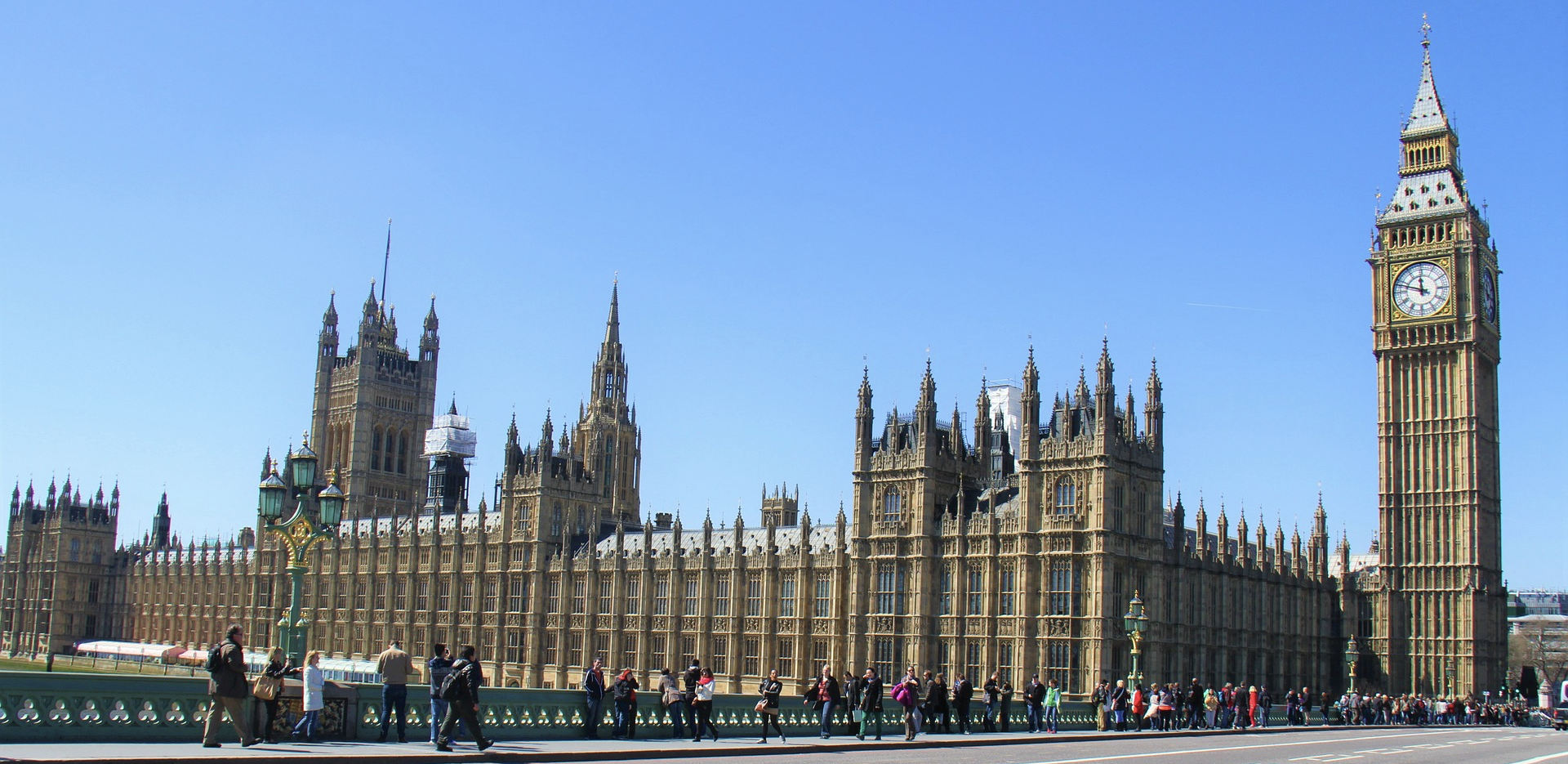
‘…the perception is taking root that too many in public life, including some in our political leadership, are choosing to disregard the norms of ethics and propriety that have explicitly governed public life for the last 25 years, and that, when contraventions of ethical standards occur, nothing happens.’ – Lord Jonathan Evans, Chair of the Committee Standards in Public Life; the Hugh Kay Lecture 11th November 2020
Just over a year ago, journalist Rachel Morris wrote an article for the Byline Times, an independent online British newspaper and website, entitled: Flooding the Zone: The Bannon Playbook Governing British Politics
It has sat in a file on my computer for the past fifty-five weeks, and today I finally got around to opening it. You can read for yourself how Steve Bannon’s philosophy of distraction during political scandals enabled Donald Trump to hoodwink the American people for the duration of his presidency (and beyond), and how the Conservative government in Britain has used the same tactics. It’s not edifying reading, but it does indicate a number of reasons why the electorate is now weakened, dispirited and largely disinterested in this important part of national life, simply because, with good reason, we/they don’t believe anyone anymore.
What caught my attention was Morris’s reference to the Nolan Principles of Standards in Public Life. ‘What,’ I hear you cry, ‘are those?’ Good question.

Basically, these are the ethical standards laid out in black and white, to which anyone serving in any sector of public life and office should adhere. This includes all elected officials plus those in the police, judiciary, education, health & social services, and the Civil Service. The document clearly states that such individuals are: both servants of the public and stewards of public resources. You’d be forgiven for thinking that some of our politicians might have forgotten this pertinent, but surely basic, little truth.
‘What,’ I asked myself, ‘could these extraordinary qualities be that are so necessary for the great and the good, as they work diligently for the benefit of all?’ (Yes, you are correct; a hint of sarcasm did indeed leak out in that last remark.)
Seven principles are itemised, and they are these: selflessness, integrity, objectivity, accountability, openness, honesty and leadership.
Surprised? Surely, a child could have told us (if in less sophisticated language) that these are mandatory characteristics, whether you are class monitor or in charge of the world’s nuclear codes.
Isn’t it blazingly obvious that anyone working in these fields should not be looking out solely for themselves? Integrity requires that an individual should not allow room for compromise in terms of ethics. No-one should be operating in a way that gains personal or financial benefits over and above the good of the people they serve. Objectivity obviously requires impartial decisions to be made, and the willingness to be open to scrutiny/accountability in all their actions and decisions, of whatever nature, is crystal clear. This is not rocket science. Openness, refers to transparency in word and deed; honesty is self-explanatory, and leadership includes the requirement to treat others with respect and uphold the stated principles, including challenging people and situations where they are not demonstrated.
I almost laughed. Did these have to be listed at all? My naivety is clear; I had thought that these things were blatantly obvious. How could anyone think they are not relevant? The fact that they need to be laid out at all is a sad inditement on our nation, and still baffling to me until I turn to my news feed and discover, once again, the distinct lack of these qualities in far too many of the headline stories.

Having just celebrated Easter, the highlight of the Christian year (though well worth celebrating all year round), like many others I have enjoyed the opportunity for reflection and gratitude. Remembering a Saviour whose crucifixion and resurrection made the way for my redemption is both sobering and liberating.
With uncomfortable clarity, I realise that while so many of the qualities featured in the Nolan Principles appear to be absent in the protagonists in public office, perhaps more often than I would like to admit to, they may be missing in my own life. The fact that I do not have to appear on a pubic stage is surely irrelevant.
There’s a poignant story that Jesus told about the absurdity and hypocrisy of trying to take a splinter out of your friend’s eye while you’ve got a thundering great log sticking out of your own (Matthew 7:3-5).
I cannot change the character of anyone else, regardless of their profession or political persuasion, but I can take a look in the mirror, and it is my personal responsibility to do so. I can choose to change my own undesirable words and actions, replacing them with something more admirable. But, there’s no doubt that I need both grace and mercy to do so; my own efforts would never be sufficient for such a challenge.
While I am thankful to those who raise the relevance of Mr Nolan’s admirable principles, I am more grateful to know the One who is the source of all that is truly good, and who is patient with the task of changing me. That is one of the joyous consequences of Easter.
Images: all Pixabay incl: Bidyut Das, WOKANDAPIX,


Thanks Jen
M x
>
LikeLike
You’re welcome!
LikeLike