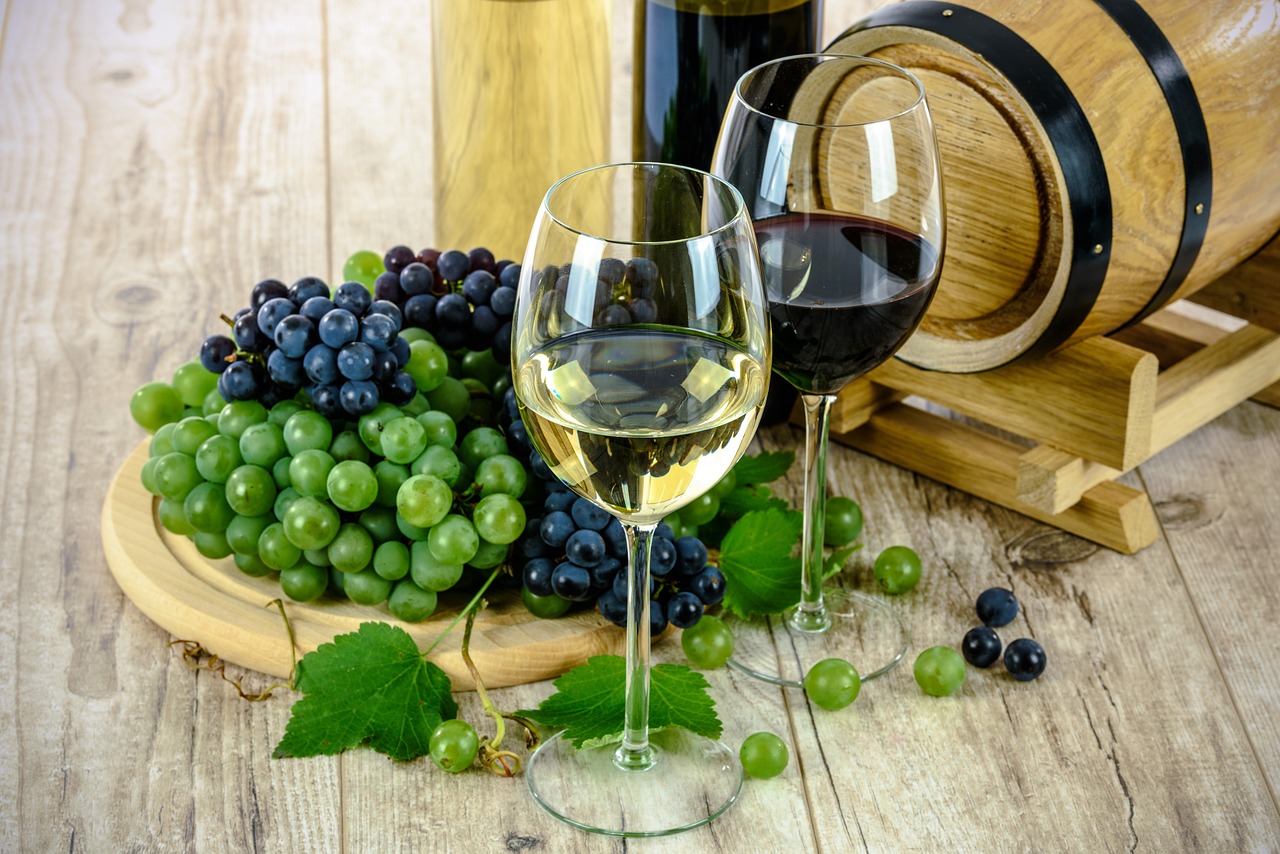
‘Praise be to God, the first wine was made from Cape grapes’ – Jan van Riebeeck from his diary entry on 2nd February 1659
It’s a birthday month for the South African wine industry, and with hundreds of wineries there are plenty of opportunities for people to join the celebrations, propose a toast or two and raise their own glass. Here’s to 365 years of wine production all you bibbers, sippers and enjoyers; cheers!
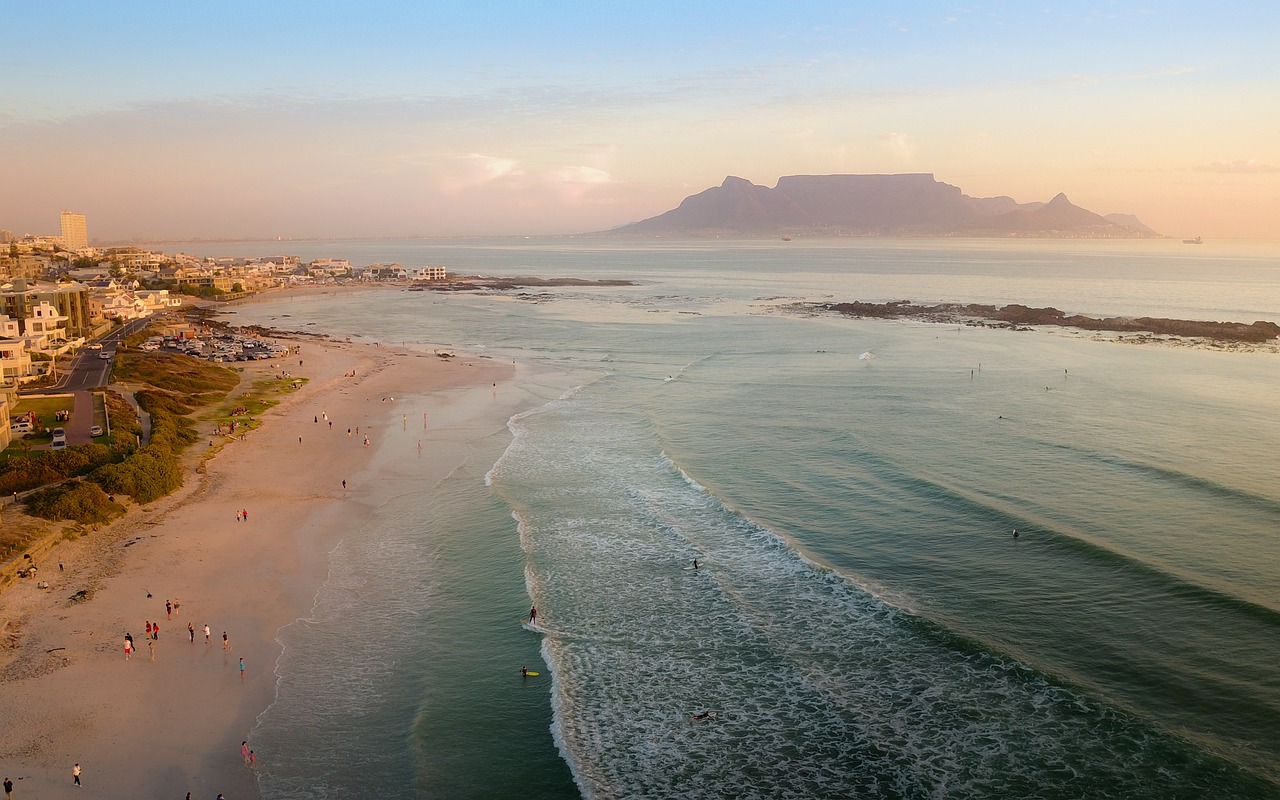
Jan van Riebeeck, was an Administrator for the Dutch East India Company. He became Commander of the Cape from 1652-1662 having left The Netherlands on Christmas Eve 1651 with his wife, son, two other ships, as well as 82 men and 8 women who would remain, working the land in the new province. He basically founded Cape Town which was established as a supply depot and refreshment station for ships travelling around the southern tip of the continent towards India. Van Riebeeck arrived here on 6th April 1652 and soon oversaw the building of a fort, the planting of fruit, vegetables and cereals, and interaction with the indigenous Khoi-San people to purchase cattle and livestock.
He wasn’t the first European to arrive on these shores. That award goes to Portuguese sailor and navigator, Bartholomeu Dias in 1488 and then, in 1497, Vasco da Gama followed suit while looking for a direct route through to Asia.
You can read about some of the history of the founding of Cape Town here.
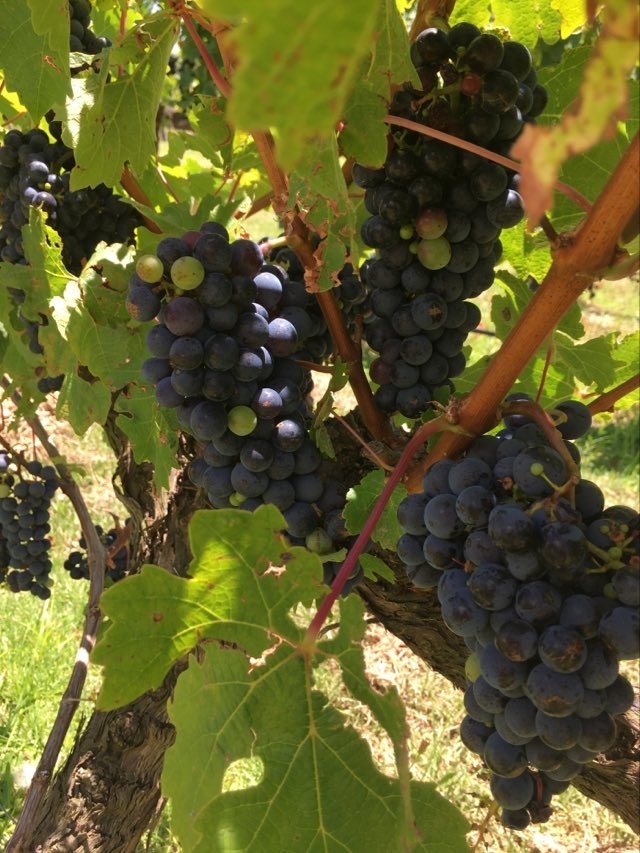
Mr Riebeeck planted his vineyard in 1655 and four years later the first wine was produced. Apparently it wasn’t great, but the Dutch didn’t really have a wine tradition or much viticulture experience. Things improved when Simon van de Stel succeeded Jan van Riebeeck, encouraging farmers to plant vineyards in what is now Constantia.
These days there are 124,000 hectares of vines and 1.3billion tonnes of grapes are harvested each year, producing a whopping 865,000,000 litres of wine which regularly win awards on the world stage.
The similarities between wine making and writing are not lost on me. Let me explain.
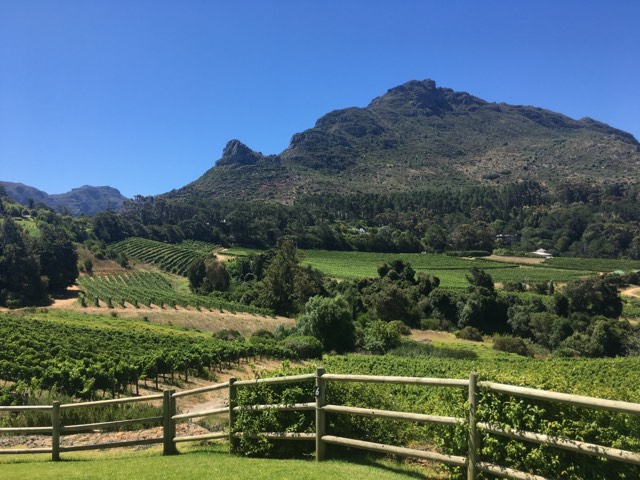
Any sommelier will tell you that the viticulturist selects grapes just as a writer chooses words. They take their grapes from different areas, understanding that the soil (terroir), slope, hours of sunshine and rain, wind direction and varietal will all make a difference to the final taste. How long do they leave the grapes on the vine before harvesting? The more sunshine they have, the greater the sugar content which in turn can be either beneficial or detrimental to the final product. They must then decide how long, and where, to ferment their grapes. In oak barrels (first, second or third use), stainless steel tanks or egg-shaped cement tanks which help retain the flavour of the grapes? To press, or not to press? How frequently?
All this affects the final product and the longevity of an unopened bottle.

Writers choose words with the same care; we garner them from all over the place, especially if we’re writing in English which is well-known as a hybrid language. We turn these treasures over in our minds rather than in our hands, deciding which to embrace and which to discard. We want our readers to savour our writing and drink in all that we are trying to communicate.
While there are stand alone varietals of wine grapes – chardonnay, sauvignon blanc, viognier, merlot, shiraz, cabernet sauvignon etc – I think the real genius of a wine maker is evidenced in their blending skills.
What percentage of which wines to blend, and after how long, is an annual challenge. Some years the grapes don’t lend themselves to this at all. Regardless, each vintage will have experienced slightly different conditions through the growing year, so it’s not a one-size-fits-all kind of recipe.

Blending words to evoke and emote is likewise a time-consuming yet exciting activity. We make good use of the delete button with rewrites and edits. Reading our work aloud is similar to tasting a new wine. Does it work? Is it full of flavour? Is there a pleasing colour and consistency to the work which can still surprise and delight the reader? Does it leave us wanting more or merely prompt the urge to look elsewhere for a satisfying experience? We’re seldom quite sure how our finished article/ chapter/book/poem will look or feel (where will those words take us or those characters direct us on our creative journey?) but, like the artisan at the winery, we labour to craft something that you, the reader/client/taster will enjoy.
At least, that’s the hope; and I’ll happily drink to it! Cheers!
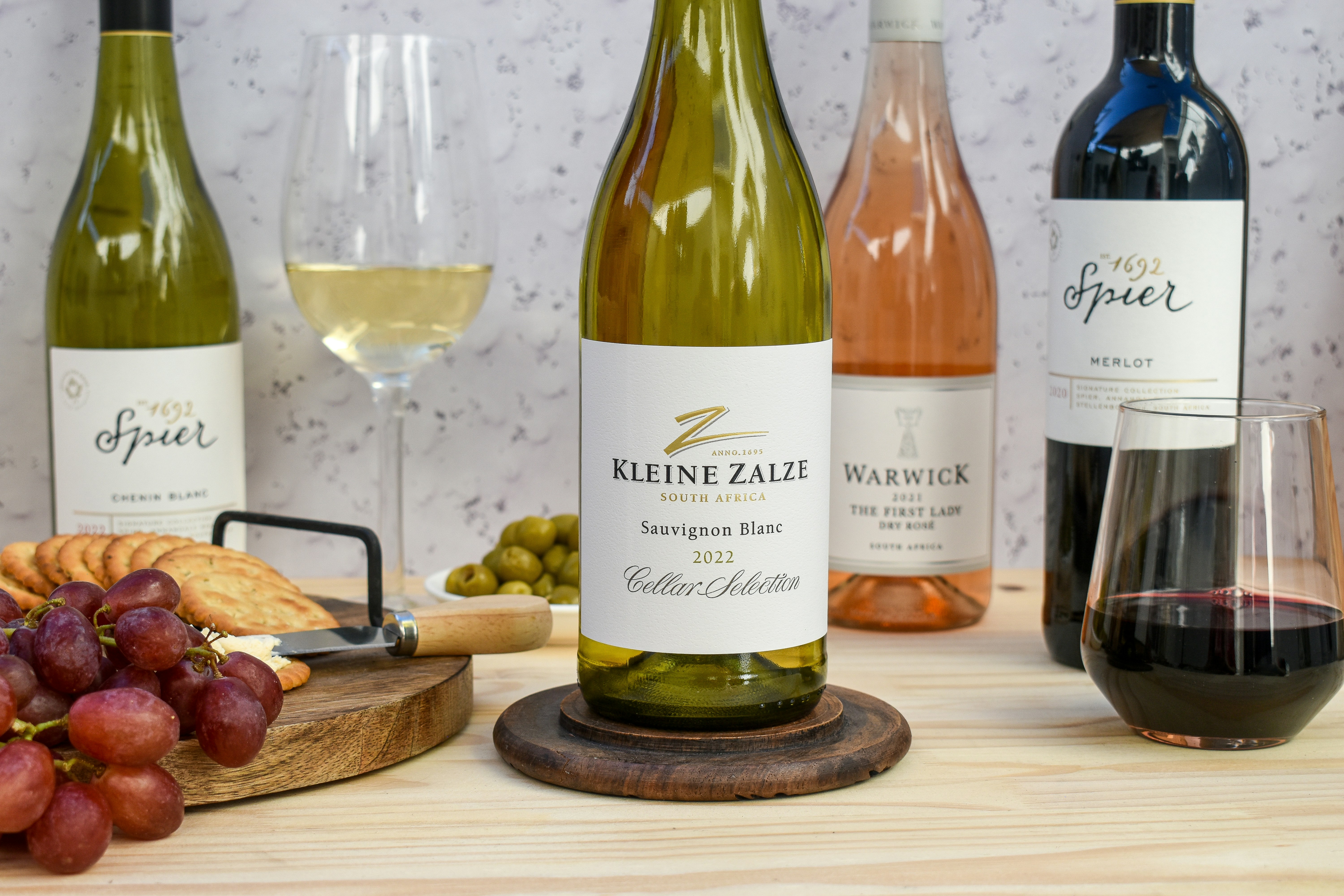
[Images from Unsplash, Pixabay and my own albums]
 dancingthroughchaos