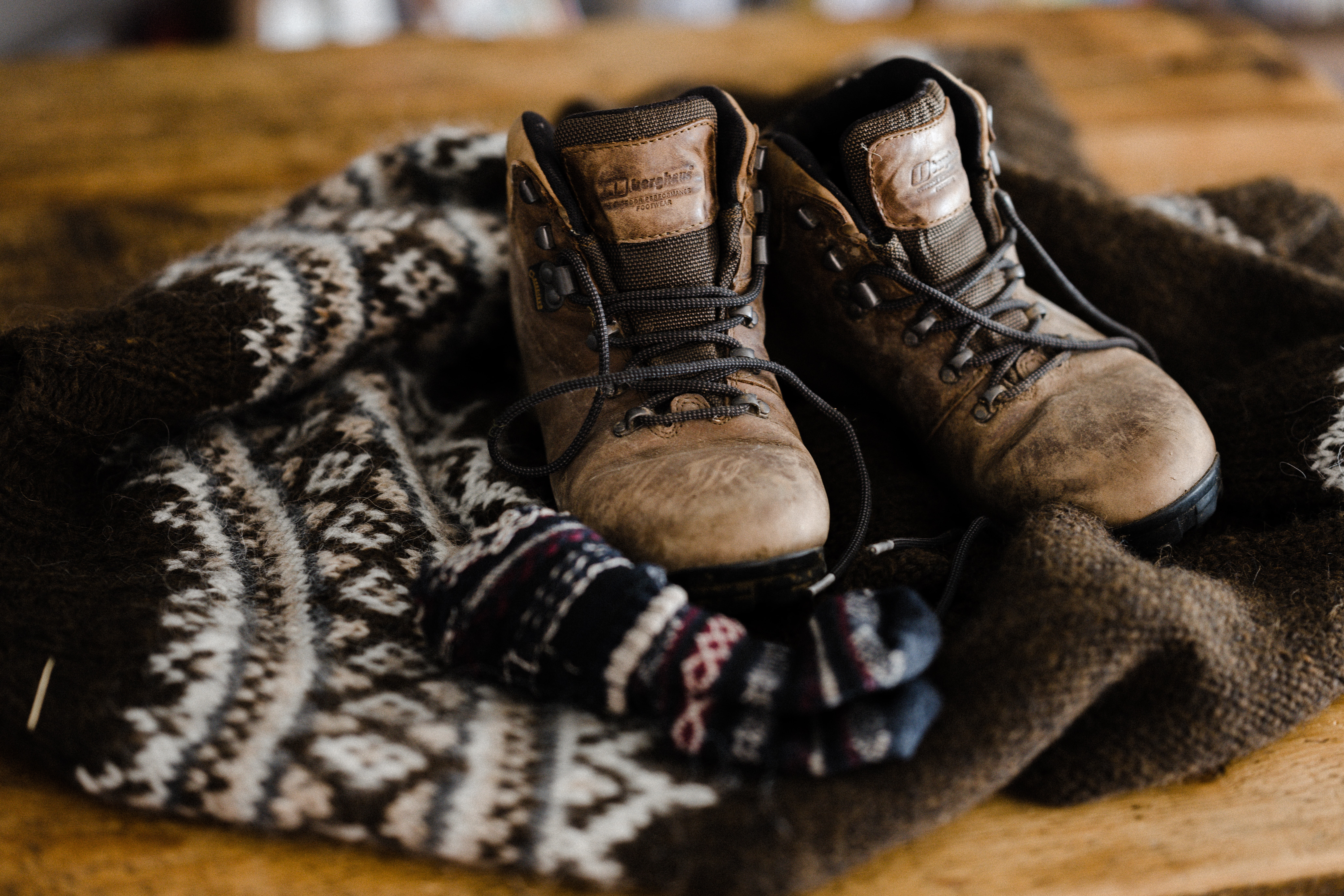
“Walk away quietly in any direction and taste the freedom of the mountaineer. Camp out among the grasses and gentians of glacial meadows, in craggy garden nooks full of nature’s darlings. Climb the mountains and get their good tidings, Nature’s peace will flow into you as sunshine flows into trees. The winds will blow their own freshness into you and the storms their energy, while cares will drop off like autumn leaves. As age comes on, one source of enjoyment after another is closed, but nature’s sources never fail.” – John Muir (Scottish-American naturalist)
One of the greatest joys for me, of being back in England, is to lace up my boots and head out into the countryside. Here, I can walk for an hour or two, even three on occasions, and see barely anyone except the odd dog walker.

I grant you, February and March are hardly the best conditions, meteorologically, for plodding through the fields and woods; but there’s something very restorative about being in the fresh air, knowing that a bit of exercise is doing you some good and it all comes completely free.
I’ve been taking photographs of my walks for many years; even before anyone invented Instagram. My Dad did the same, and we grew up looking forward to slide shows, projected onto a roll-down screen on rainy winter Saturdays, during which we could recall our family adventures, rambles and holidays. I can still see those images and find myself oozing nostalgia as well as exuding gratitude for such a straightforward childhood, and a rich appreciation of the English countryside.
This past weekend, I took to the paths of Somerset taking the route my son showed me more than twelve years ago, and which I still call, ‘the D of E walk’. The Bronze Award calls for a ten mile walk and this route is particularly pretty, including walking by both a stream and a river, under a couple of bridges and through what will be, come April, my favourite garlic wood. One field boasts the abandoned infrastructure from past coal mining endeavours: empty canals and a series of abandoned locks.
It was a cold day, but primroses were flourishing in places, daffodils peeping through and the shoots of bluebells promising colour in a matter of weeks. Somerset is quite hilly so, although the trees stand as sentinel skeletons, the emerald grass shines through, forcing the walker to look up and giving a sense of hope.
I could look at images of these familiar places and find pleasure in them all, but what I realised with great force this past weekend, is that it’s so much more satisfying to be in the picture yourself.
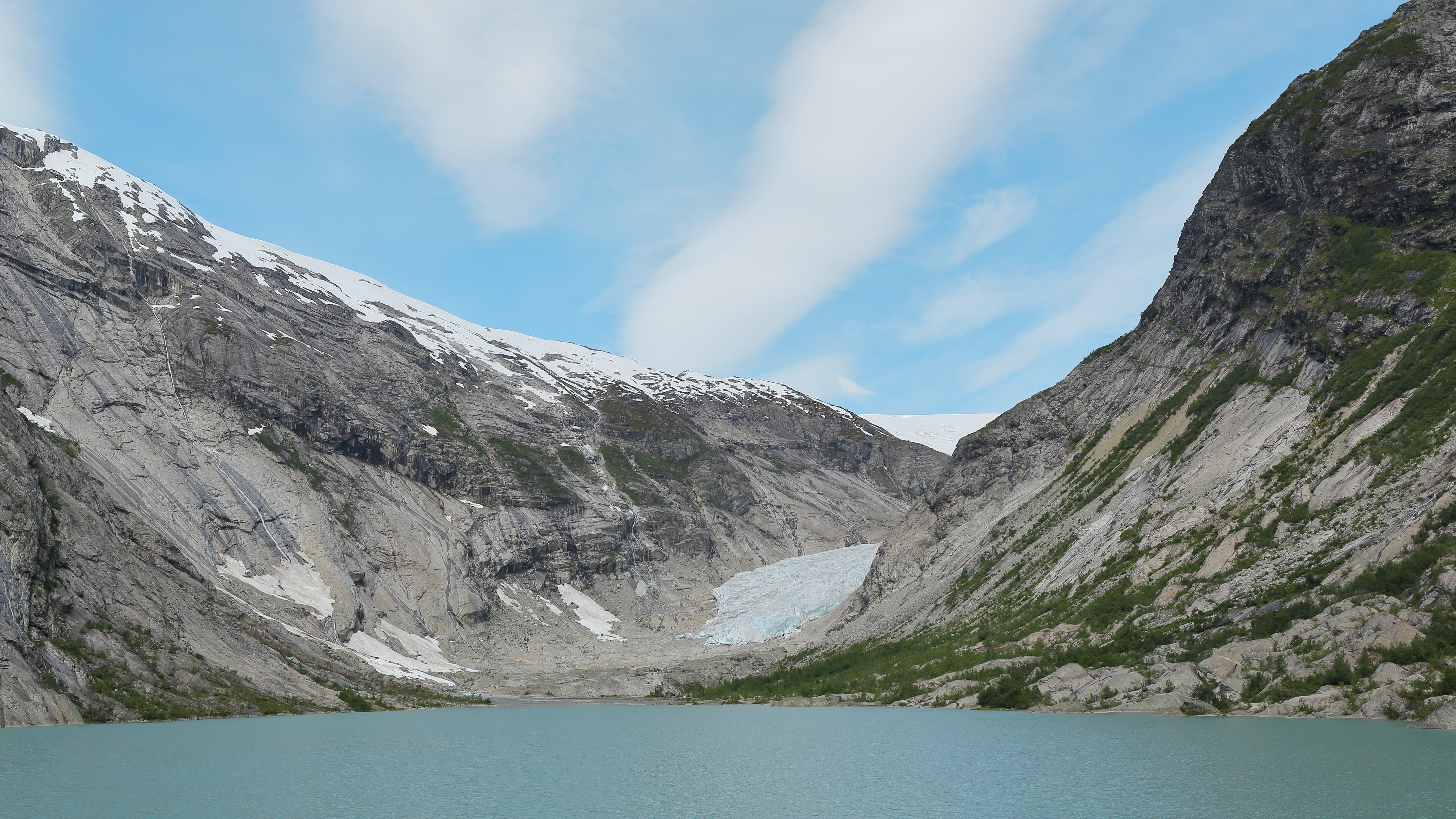
My first venture beyond national borders was to Norway in the early 1980s. Drawn by the pictures I’d seen of the majestic fjords and glaciers, photographs of ice blue formations folded into slow-moving geological phenomena, I knew that despite the financial limitations of a student, I had to go. It became the one place, above all others, which I desperately wanted to see for myself. Diligently, I saved money from my student grant by eating cheaply (cabbage and sardines featured prominently), foregoing the more indulgent social gatherings, and staying focused on the goal; and it was totally worth it.
Stepping out of the coach that had transported us through Europe, and across the sea from Gothenburg to Aalborg, and on to Sogndal via Oslo, I was mesmerised. The landscape was simply magical.
It was August, so snow-free by the fjord where we camped, but within sight of an impressive glacier grinding its imperious way down the valley to the water level. I felt as though I had fallen through the pages of a National Geographic magazine; but here, where everything was in three-dimensions, there was a sharpness to the experience augmented by what I could hear, smell, taste and touch. It was throughly enchanting.
Some places disappoint us. Perhaps we have seen photographs which have been manipulated by wide-angle lenses, photo-shop edits, or clever use of filters. The reality can be a poor cousin to the deceptive image of someone else’s ideal. Norway was quite the reverse as, many years later, was the Grand Canyon.
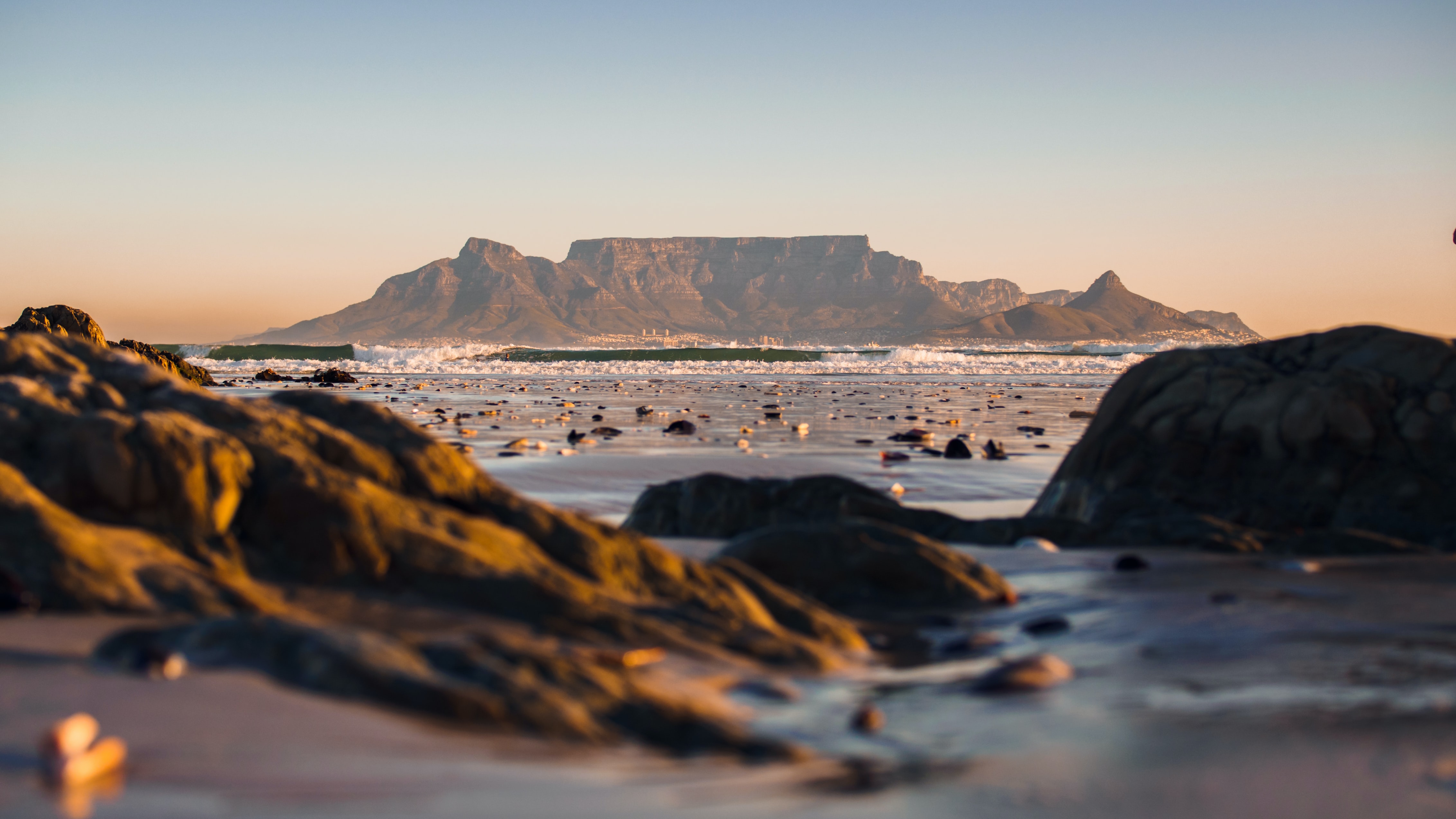
The mountain ranges I see in South Africa – the solidity of Table Mountain in Cape Town among them – are more rugged than the Nordic ones and lack the lush greenness of those I’ve climbed in Switzerland. Nevertheless there is a world of difference between seeing them within the pages of a book and actually scrambling up them.
I have reason to believe that life is not entirely dissimilar. We are frequently sold an expectation of what our lives should be like. We hear the stories others tell, we see the curated representation on social media feeds, and can wonder why our own lives sometimes feel bland and uninteresting, boring and irrelevant.
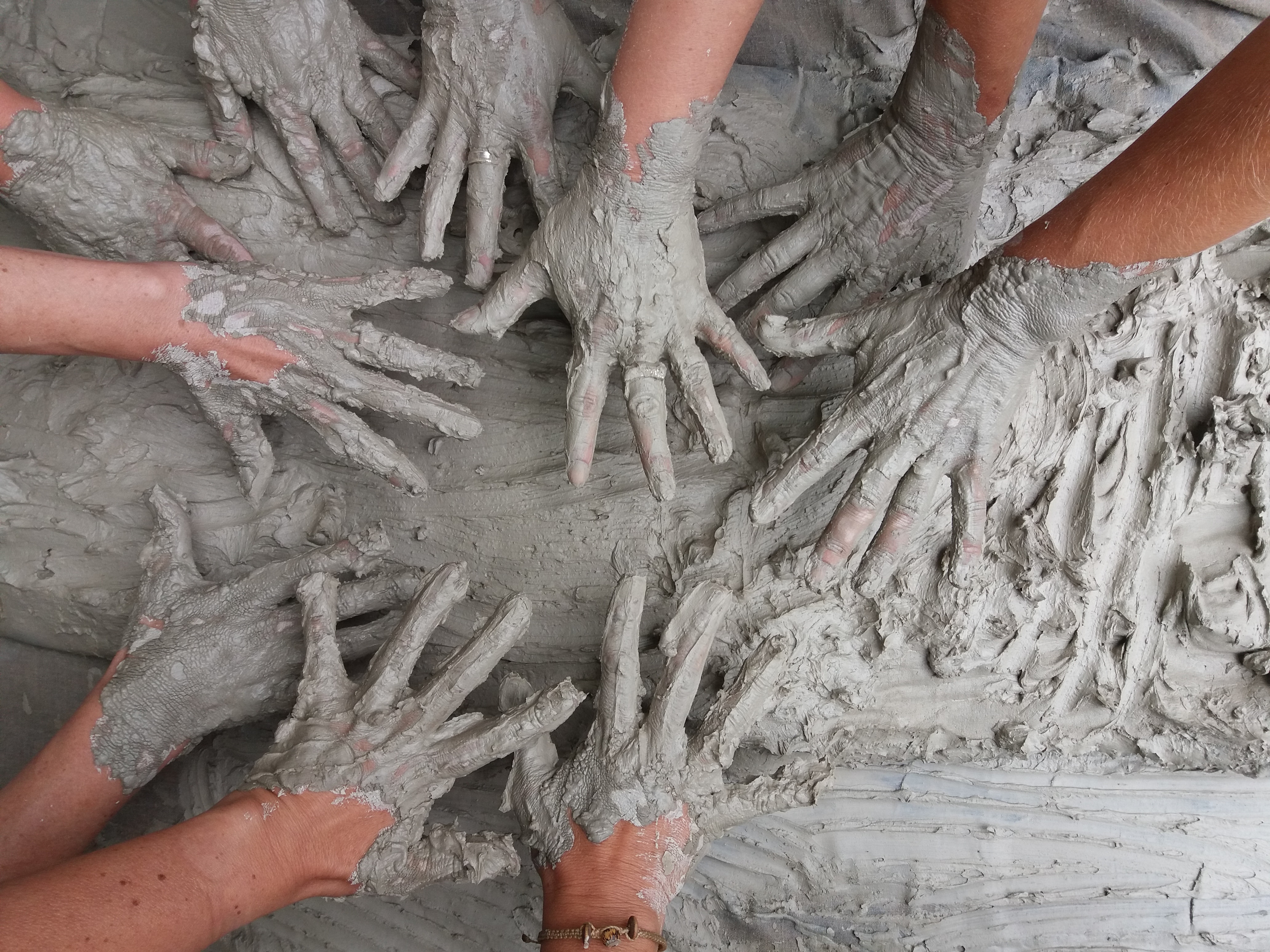
Perhaps it’s time to stop looking at life from a distance, and start living it again; embracing the challenges, rolling up our proverbial sleeves and getting involved. Let’s get our hands, our feet, and our faces dirty again. Let’s not just look at the picture, but be part of it: in it!
Remember they way we embraced the adventure of a day when we were children? Somewhere along the way, many of us have slowed down, fallen down or experienced a level of pain and/or disappointment so severe that we have withdrawn from engaging lest we be damaged again. Yet, by engaging with what life is really about, whether it involves mountain climbing, or not, we may find just the healing we’re looking for.
Images: with thanks to: Annie Spratt; Maksim Shutov; Janan Lagerwall & Karen Maes – all Unsplash.
 dancingthroughchaos
I enjoyed reading this, love your descriptions. Laughed at the cabbage and sardines thing. Done that 🙂
LikeLike
Counting the cost of whether the end goal is worth it, is quite a motivator isn’t it? I still enjoy cabbage; sardines, not so much!
LikeLike